
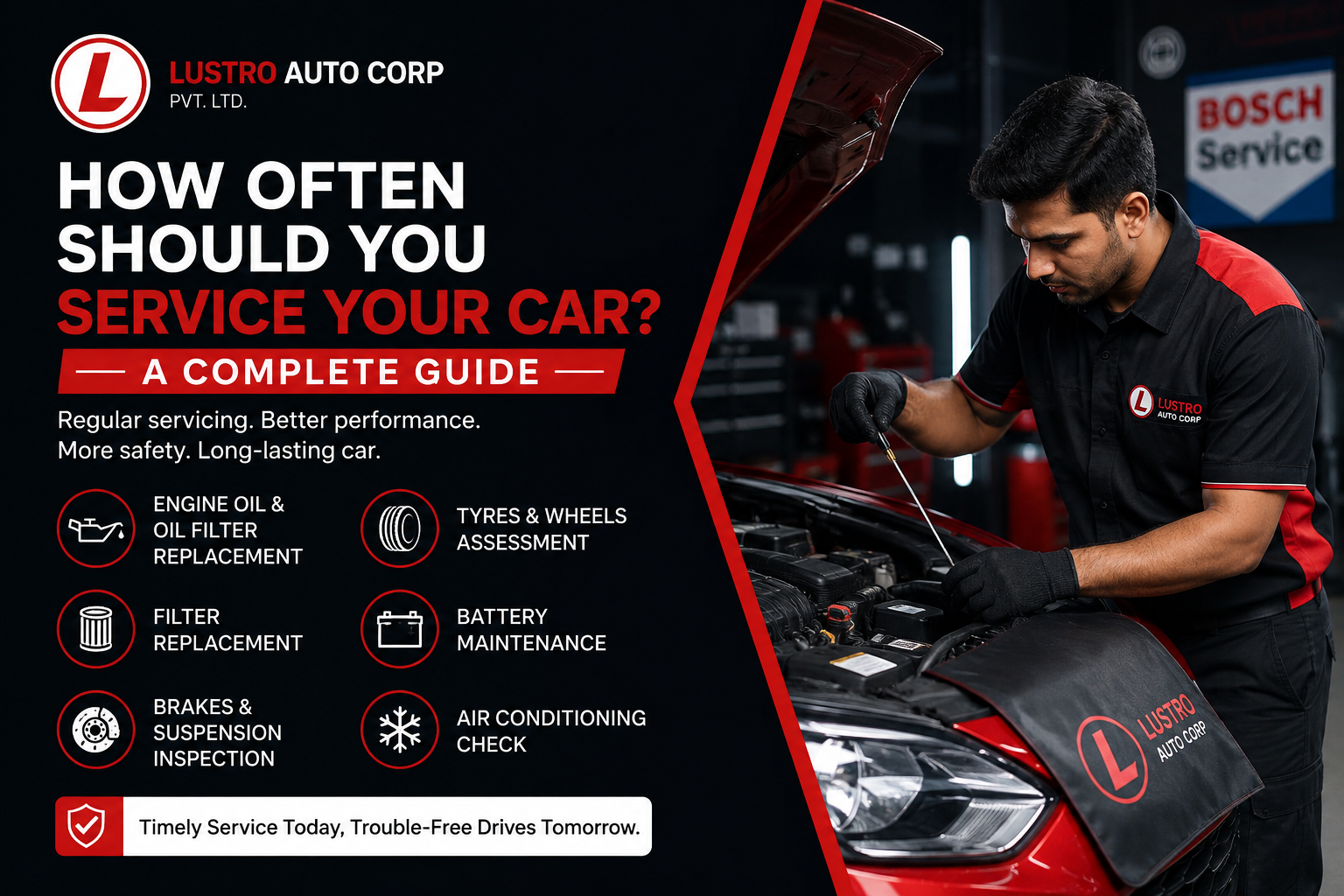
How Often Should You Service Your Car? A Complete Guide
The majority of people do not consider the maintenance of their vehicle until they hear something is amiss. Over time, the brakes may not function as they once did; the vehicle may require more fuel to run; or a strange sound may be heard under the hood. However, when the car is still operating, it's simple to believe that all is well. Sadly, it's not always the case.
The purpose of this guide is to not only provide information on when you need to take your car for a service but also what you can expect to happen at the service and the problems that may arise if you do not regularly service your vehicle.
Understanding Your Car's Service Intervals
Car service intervals are usually set by either time or how much the car has been driven, whichever happens first, following the advice from the car's maker. The service schedule can vary depending on the type of vehicle, and it is usually based on factors like how many miles you drive, how well the vehicle is performing, and the conditions you drive in.
Factors That Affect Your Car’s Service Frequency
- Manufacturer's Schedule: Refer to your car's owner's manual to determine when maintenance is due.
- Driving Conditions: Heavy traffic, frequent short trips, stop-and-go driving, and long idle periods increase wear.
- Age & Overall Condition: Older vehicles often require more frequent inspections of brakes, suspension, timing belts, and fluids.
- Mileage: Engine oil, filters, brake pads, tyres, spark plugs, and other components need attention as mileage increases.
What Typically Happens During a Car Service?
A car service includes many things besides just changing the oil. It checks all the main parts and systems of your car to make sure they are working correctly, helping you spot problems early and keep your vehicle running smoothly.
1. Engine Oil & Oil Filter Replacement
The old engine oil is drained and replaced with fresh oil, along with a new oil filter. Clean oil lubricates engine components, reduces friction, and helps extend engine life.
2. Filter Replacement
Air, cabin, and fuel filters are inspected and replaced when needed. Clean filters improve engine efficiency, fuel economy, and overall vehicle performance.
3. Brakes & Suspension Inspection
Brake pads, discs, fluid, and suspension components are checked for wear or damage. Maintaining these systems is essential for safe stopping and stable handling.
4. Tyres & Wheels Assessment
Tyres are inspected for tread depth, pressure, uneven wear, and damage. Wheel alignment and tyre rotation may also be recommended to improve performance and extend tyre life.
5. Battery Maintenance
Technicians inspect battery terminals, measure battery voltage, and test the charging system. A battery check can help prevent unexpected breakdowns before they happen.
6. Air Conditioning Check
If your AC isn't cooling properly, has unusual smells, or makes strange noises, the refrigerant level, cabin filter, and other components are inspected to restore comfort and performance.
Signs That Your Car Needs Servicing
You don't always need to wait for your scheduled service date if your car starts showing warning signs.
Ignoring these symptoms can turn a small issue into a much more expensive repair.
Conclusion
Regular car servicing helps improve performance, maintain safety, and extend your vehicle's lifespan. Following the manufacturer's service schedule and carrying out routine maintenance like oil changes, tyre inspections, and brake servicing can help prevent costly repairs, protect your warranty, and improve resale value.
Frequently Asked Questions
A standard service usually includes engine oil replacement, filter checks, brake inspection, tyre inspection, battery testing, fluid top-ups, and other essential safety checks.
Skipping regular servicing can reduce performance, increase fuel consumption, lead to unexpected breakdowns, and result in expensive repairs.
Yes. Older vehicles often require additional inspections because of natural wear and tear on components.
Warning lights, unusual noises, poor mileage, brake problems, steering vibrations, and difficulty starting are common indicators.
Yes. A well-maintained service history increases buyer confidence and helps preserve your car's resale value.