Lustro Auto Corp — Header
Lustro Auto Corp
Pvt. Ltd.
For everything your car needs.
Sarjapura, Bangalore
Premium Auto Care Call Us Now
Lustro Auto Corp — Mobile Header
LUSTRO AUTO CORP
PVT. LTD.

Author name: sdiptimayee240@gmail.com

Uncategorized

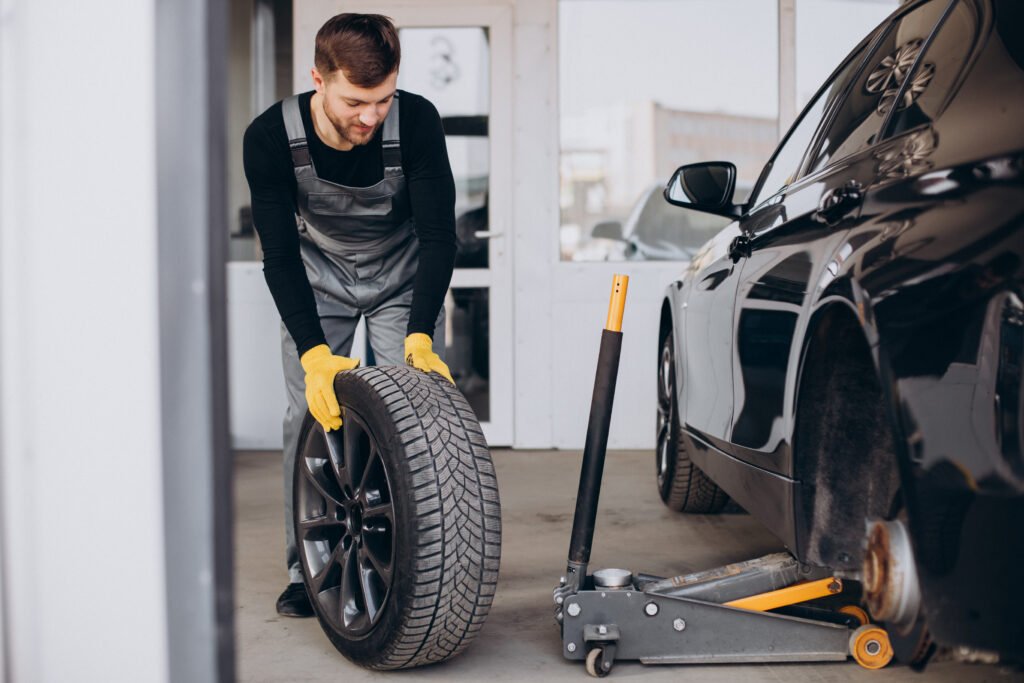
7 Signs It’s Time to Replace Your Car Tyres

Your car’s tyres are considered the most important safety feature in your car. Your tyres are the only parts of your car that stay in constant contact with the road, giving your car the ability to stop, start, steer, and be stable. However, because of the wear and tear, your tyres are sure to wear out from continuous usage, poor road condition, weather condition, improper tyre pressure, and misalignment. Now, how do you know when you should change your tyres? 1. Low Tread Depth The treads in your car’s tyres provide the traction required to drive. The wear in the treads makes your car slip while driving in slippery conditions. Look at the tread wear indicators to know how much tread is left in the tyre or let a technician look at the tyre for you. 2. Poor Alignment and Balancing of Wheels Bad wheel alignment results in wearing out of the tyres in an uneven manner and at a faster pace, whereas bad wheel balancing causes vibrations. If your tyres have been worn out or damaged due to the poor alignment and balance of the wheels, replacement will become necessary. Using the worn-out tyres would only worsen the problem and damage your tyres further. 3. Constant punctures  Constant punctures may indicate that your tyres need replacement as the end of their life cycle draws nearer. Although punctures can occur at any point in the life cycle of a tyre, ageing tyres will eventually begin to become less resistant due to the deterioration of their rubber and internal structure. Therefore, small obstacles on the road, debris, or even bumps can now easily damage them. 4. Unusual Vibrations While Driving Unusual vibrations in your car during driving can be indicative of some issues related to tyres or wheels. While some vibrations are normal on uneven roads, any persistent vibrations or vibrations which can be felt during driving at higher speeds must be looked into. The causes of vibrations can be uneven wear of tyres, improper wheel balancing, improper alignment or internal damage to the tyre. In case the problem still persists despite proper balancing and wheel alignment, then this may be indicative of worn-out or damaged tyres. 5. Decreased Stability, Braking, and Traction If you feel unstable while driving, find it hard to stop your car, and feel that your tyres are having trouble maintaining traction, especially when driving in wet conditions, then chances are high that your tyres have worn out. This is because as the tyre tread wears out, the grip on the road becomes weaker, and water cannot be cleared efficiently. Pay attention to any slips, poor braking performance, and handling problems with your vehicle and make sure to have your tires checked. 6. Irregular Tyre Wear Irregular tyre wear means there is something wrong with either the car or the tyres themselves. If there is wear on the tyres which occurs faster in some parts of the tyre than other parts, this can be due to bad wheel alignment, tyre under-inflation, or damaged suspension parts. This can be seen from wear at the edge of the tyre (either inner or outer), patches of tyre wear, or a difference in wear between tyres. However, in case the irregularity in the wear is very serious, tyre replacement might be the solution. 7. Age of the Tires Regardless of whether you use your car frequently, tyres only last for a finite period of time. With time, due to the effects of heat, sun rays, water, and weather changes, the rubber starts losing its elasticity and deteriorating, thus lowering the tyre’s efficiency. One should check the age of their tyres and pay attention to any signs of deterioration, such as cracking, hardening, swelling, or other signs of wear and tear. Reasons Not to Delay Tyre Change Poor or worn-out tyres have the capacity to influence the braking ability, stability and handling and grip of your car, especially on wet and rough roads. With the poor condition of the tyres, there is an increased risk of puncture, loss of traction and even bursting of the tyres. Changing your tyres on time will keep your vehicle running smoothly and will ensure safety while driving. Get Your Tyres Checked at Lustro Auto Corp If you observe any of the above-mentioned signs in the tyres of your car, do not wait until it turns into a major issue. With a team of well-experienced technicians, we can conduct an inspection of your car tyres to detect signs of wear and tear and give recommendations regarding their condition. In addition to tyre inspection, we provide services such as wheel alignment and balancing, tyre-related services, car servicing, repairs, detailing, PPF, and much more to ensure that your car is roadworthy. Visit Lustro Auto Corp, Sarjapura, Bangalore for all your tyre and car inspection needs. Conclusion Your car’s tyres have a major part to play in its safety, stability and comfort while driving. Any signs of shallow tread, punctures, uneven wear, vibrations, poor grip and old tyres should not be ignored at any cost. Recognizing these signs in time can save you from breaking down and ensure that your braking and handling are up to the mark. Tyre inspection and timely replacement is of prime importance. If you are doubtful about the state of your tyres, get them checked by professionals at Lustro Auto Corp. Frequently Asked Questions 1. How frequently must car tyres be replaced? Depending on several factors like the age of the tyres, their condition, the extent of tread wear, it is possible to establish when they require replacement. 2. How can I establish whether the tread on my tyres is low? You can establish this depending on the presence of the tread wear indicators. 3. Can my frequent punctures suggest that my tyres need replacement? Yes. Your frequent punctures can suggest this. 4. Can bad wheel alignment affect my tyres? Yes. Bad wheel alignment can cause your tyres to get worn out. 5. Why
Uncategorized

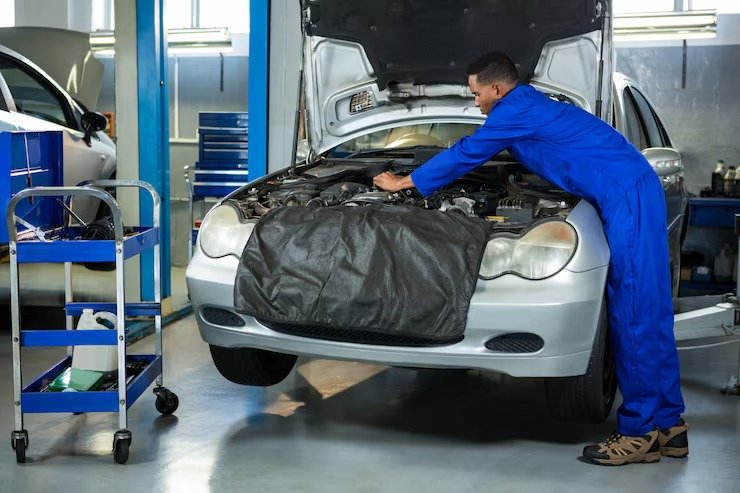
What Does a Full Car Service Include? The Complete Checklist 

A full car service does not include only oil changing and tire checkup. This service implies a detailed examination and maintenance of your car that should help make it reliable and ready to go on the road. With time, various components of your car such as brakes, fluids, filters, batteries, suspension parts, and belts may wear out or have any other issues. A full car service will help you discover the problem before it becomes too serious. However, what procedures will be performed during a full car service? Here is an exhaustive list of them. Engine oil serves an important function of lubrication for the moving parts within the engine, minimizing friction and heat. In a complete service, the mechanic will typically: Fresh engine oil makes sure that the engine runs properly and performs well. Your braking system is among the most crucial safety systems in your vehicle. This will involve inspecting: If you observe any signs such as squeaking, grinding, vibrations, and poor braking ability, you need to check your brakes. Filters ensure the protection of both the engine and the occupants of the car. Engine Air Filter The engine air filter prevents dust and dirt from getting into the engine. A dirty filter will hinder the flow of air and engine efficiency. Cabin Air Filter The cabin air filter filters out dust, pollen, and other airborne materials from the air that comes into the cabin. Both filters need to be checked and changed based on their condition. An old battery could strand you, especially during starting up of your vehicle. During a battery checkup, the following aspects should be covered: • Battery voltage • State of battery • Terminal connections • Corrosion • Charging system • Indications of battery failure If your battery is at its last legs, then you need to spot it earlier on. There are certain fluids in your car that keep it running smoothly. Some of the different types of fluids that might be checked during an overall service can be: Coolant Brake fluid Transmission fluid Steering fluid Windshield washer fluid Clutch fluid Tyres play a direct role in your vehicle’s traction, braking, maneuvering, and safety. These items will be checked during servicing: Tyre pressure Depth of tyre tread Uneven wearing of tyres Damage to tires Condition of spare tire Wheel alignment Balancing of wheels Correct tyre pressure is also helpful for increasing fuel economy and tire lifespan. Why Regular Full Car Servicing Matters Full servicing of cars is vital for keeping your car safe, reliable, and operating optimally. The failure to regularly have your car serviced means that minor problems will become major problems. The benefits of regular servicing include the detection of problems, good performance, fuel efficiency, reliability, longevity of parts, and effective braking and handling. It also minimizes the likelihood of your car breaking down unexpectedly. However, the specific services that will fall under full service will depend on the make, model, age, mileage, history of servicing, and maintenance schedule recommended by the manufacturer of the vehicle. A service center that performs full service should carry out a thorough assessment of your individual car and give a clear indication of what needs to be done. Why Choose Lustro Auto Corp?  At Lustro Auto Corp, we view car servicing not only as solving problems that arise during operation. Our concept is based on the principle of the general servicing of the car where all important systems are checked and repaired depending on the state, utilization, age, and maintenance needs of the car. Our work includes such services as computer diagnostics, engine service, brakes inspections and repairs, and AC service, as well as general mechanical repairs and professional detailing to make sure you have a reliable and high-performing car. We  also use spare parts from Bosch where appropriate to give you good quality components to replace faulty ones. No matter what kind of servicing or repairs your car needs – whether it is routine or particular issue – our check-up will help you to find out what really is needed. With proper servicing and repair, we try to keep the performance, reliability, and safety of your car. Conclusion Car service is an important component of vehicle maintenance. Not only does it entail changing the oil but also the inspection of critical components such as brakes, filters, battery, fluid, tires, engine and many others. Proper servicing will allow for early detection of problems, prevention of expensive repairs, improvement of performance and avoidance of sudden breakage. Due to the fact that every car needs different type of maintenance, the need for a professional inspection cannot be underestimated. At Lustro Auto Corp, we offer you professional car services such as computer diagnosis, engine service, brake repair, AC service, repairs and detailing. We use Bosch spares when appropriate. Frequently Asked Questions 1. What is done in a complete car service? Complete services normally include inspection of the engine, oil, filters, brakes, battery, fluids, tires, and various other components according to your vehicle’s specifications. 2. How frequently should I get my car completely serviced? The service frequency varies from one car to another depending on its make, model, age, mileage, and more. 3. How long does a complete car service take? Normally, it takes a couple of hours, but depends upon the condition of your vehicle and possible extra repair works. 4. What spare parts do you use at Lustro Auto Corp?  At Lustro Auto Corp, we use Bosch spare parts wherever necessary. 5. Does a complete car service increase fuel efficiency? Yes, it helps in improving fuel efficiency.

Uncategorized

How to Choose the Right Car Service Centre

Your car is not just a vehicle; it is something that you depend upon for work, travel, shopping, and enjoying time with your family members. Proper maintenance is essential in order to keep your car safe, reliable, and efficient. Selecting the right car service centre may often become confusing due to the number of centers present today. Some of the things that a reputable service center should do include taking care of the current problem, but making sure that proper maintenance is also provided for the future. There are various aspects that need to be taken into account when selecting a service center for your car. Knowing What Car Servicing Includes It will be important for you to know something about car servicing before you go to any servicing centre. Routine servicing includes an examination of engine oil, brakes, filters, battery, tires, and the cooling system. Many dependable service centres also check many other points to see wear and tear. Keeping your car serviced at regular intervals ensures that the car performs efficiently and helps you increase mileage. But more importantly, it prevents any kind of breakdown. When we talk about Bangalore, a place that has very varying conditions of traffic and roads, servicing becomes inevitable. Here are some factors to consider when choosing the correct car service centre. 1. Check the Service Centre’s Reputation  Among the best methods that one could use when judging a car service centre is through examining the reputation and feedback of the customers. One would need to look up the centre’s reviews on Google, Yelp, automotive forums, and any other similar site for information on the level of service, professionalism, and customer experience provided. One should not only focus on the positive reviews but also the negative ones. Reviews from family members, friends, and even work colleagues could be useful in giving one an idea on whether a service centre has good feedback or not. 2. Experienced and Certified Technicians The expertise, experience, and qualifications of the technicians have an impact on the services that you will receive for your car’s maintenance and repair. Well-qualified technicians have skills in working on various makes and models of cars and can effectively diagnose various mechanical and electrical problems with the car. Professional technicians can do everything ranging from engine diagnosis, brake diagnosis, suspension repairs, electrical problems to AC servicing. Having certifications based on manufacturers of certain makes of cars can be quite helpful when dealing with luxury cars. 3. Location and Accessibility Having your preferred service center close to where you live or work can make maintenance services very convenient for you. Having easy access to the service center enables you to have your car dropped off, picked up, and even have further visits done without having to spend a lot of time away from other activities. In case of unpredictable traffic in Bangalore, having a service center closer to where you are can also be a way of reducing the travel time you take. 4. Make Sure They Offer the Services You Need  Prior to selecting a workshop, consider the various services that it has to offer. A credible car servicing workshop is supposed to have the capacity of dealing with issues of regular maintenance and general repairs, such as servicing, engine analysis, brake checks and fixes, replacement of the battery, air conditioning services, wheel alignment, suspension work, tyre services, electrical repairs, oil change, denting and painting, and detailing. The availability of numerous services under one roof would help save time and make the maintenance process easier. 5. Quality of Spare Parts The level of spare parts used during repair work influences the performance and the reliability of your car. It is advisable to have your vehicle repaired at a service center that uses genuine OEM(Original Equipment Manufacturer) or good quality aftermarket spare parts because they tend to last longer. It is always a good idea to ask whether the spare parts have a warranty. Quality Bosch spare parts are utilized at Lustro Auto Corp, ensuring reliable service and professional repair work. 6. Cost and transparency The cost is a very essential parameter while choosing the auto repair shop, but this is not always the only parameter. The price of the service, labour cost, and even the methods of work may vary from one garage to another. It is always advisable to ask for the estimate before making the decision. The good auto repair shop will tell you everything regarding the additional costs, and you will not have any surprises when paying the final bill. 7.Warranty and Service Guarantee Any good service center should be proud of its services by providing warranties for any repairs and spare parts that are eligible to be covered. Always find out about repair warranties, spare part warranties, service guarantee, and their period and terms before accepting any service. A good warranty means the service center is confident about its work quality, which gives you additional security. Why Choose Lustro Auto Corp?  Selecting an auto care center requires you to find people who know your car well and prioritize quality and transparency. That is precisely what  does by offering you professional and convenient car care under one roof. With skilled mechanics, a full range of services, clear and fair prices, and emphasis on quality service, we try our best to provide you with the easiest service possible. In addition to all the mentioned, we use Bosch spare parts where necessary. Conclusion The selection of an appropriate service centre for your car is an integral choice that has a direct impact on the safety, performance, and reliability of your car. The factors that one must take into account while choosing a service centre include but are not limited to the following: reputation of the service centre, the skills of its technicians, the kind of services offered by the centre, the availability of genuine spare parts, accessibility, price, and warranty. A good service centre is not just about fixing the problems

Uncategorized

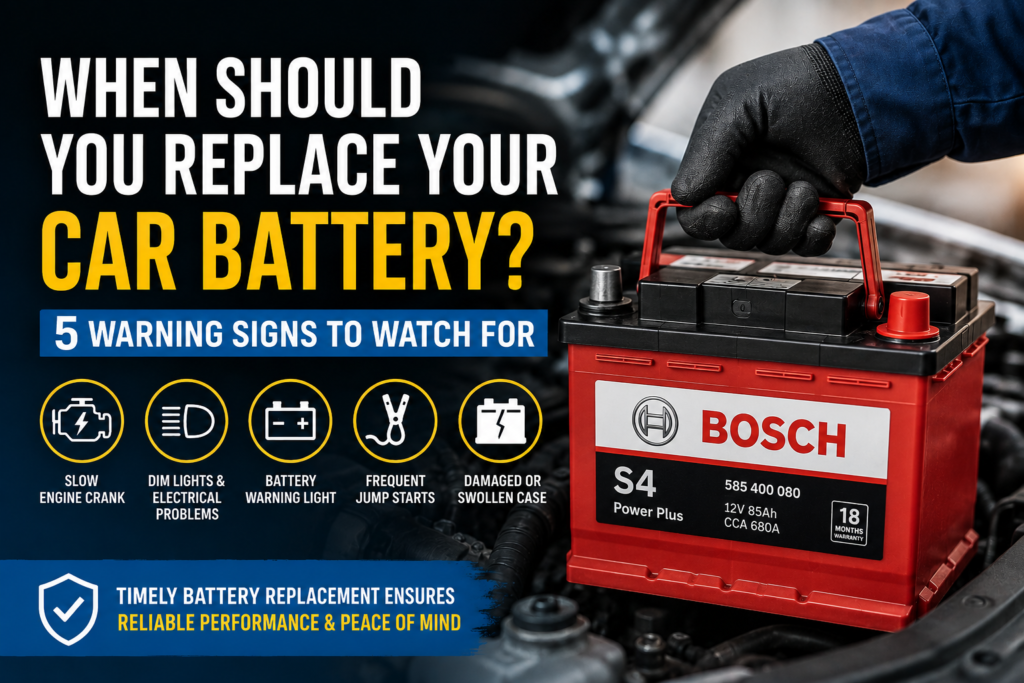
When Should I Replace Your Car Battery?

When Should You Replace Your Car Battery? 5 Warning Signs to Watch For Your car battery is an important part of your vehicle. It helps start the engine and powers electrical components such as headlights, power windows, the music system, air conditioning, and dashboard lights. Every car battery has a finite useful life, and ignoring the early warning signs can leave you with unexpected problems. A weak or dead battery can leave you stranded at the most inconvenient time. Timely battery replacement can help prevent starting problems, unexpected breakdowns, and electrical issues while ensuring reliable vehicle performance. Why Does a Car Battery Need to Be Replaced? Your car’s battery powers essential electrical systems and provides the energy needed to start the engine. Over time, the battery can gradually lose its ability to hold a charge, making it harder to start your vehicle. Most car batteries typically last around 3 to 5 years, although their lifespan can vary depending on usage, environmental conditions, driving habits, and maintenance. Extreme temperatures, frequent short trips, and poor battery maintenance can shorten battery life. Before replacing your battery, it is advisable to have it checked by a reputable battery service provider. Specialised testing equipment can determine whether the battery is still performing properly or needs replacement. Let’s Understand When It’s Time to Replace Your Car Battery 1. Slow Engine Crank If your engine takes longer than usual to start, it could be a sign that your car battery is losing its performance. You may notice that the engine cranks slowly or takes several extra seconds to start. This is one of the most common signs of a weak battery because the battery may no longer be providing enough power to start the engine efficiently. The problem can often be more noticeable when starting the vehicle in the morning. 2. Dim Headlights & Electrical Problems Weak headlights or dim interior lights can indicate that your battery is struggling to provide sufficient power, particularly when the engine is switched off or when starting the car. Problems with electrical components such as power windows, seats, or other accessories may also indicate a battery or charging-system issue. However, these symptoms can sometimes be related to the alternator, so proper testing is important. 3. Battery Warning Light on the Dashboard If a battery-shaped warning light appears on your dashboard, it may indicate a problem with the battery or the vehicle’s charging system. It could mean that the battery is not being charged properly or that another part of the electrical system requires attention. A battery warning light does not necessarily mean that the battery itself needs replacement, but it should never be ignored. A professional inspection can help identify the actual cause. 4. Frequent Jump Starts If you find yourself needing to jump-start your car more often than usual, the battery may not be holding a charge properly. Although a jump start can get the vehicle running temporarily, frequent jump starts usually indicate a problem with the battery or charging system. It is advisable to have the battery and charging system tested to determine whether the battery needs to be replaced. 5. A Damaged or Swollen Battery Case If the battery is visible and accessible, inspect it for signs of physical damage. A battery that appears swollen, cracked, leaking, or otherwise damaged requires immediate inspection. Overheating or overcharging can cause a battery case to swell. A damaged battery may need to be replaced to prevent further problems. How to Extend Your Car Battery Life? Do Not Overload Electronic Gadgets When the Engine Is Not Running: Excessive use of lights, music systems, or other electrical devices while the engine is off can drain the battery. Park Your Car in the Shade During Extreme Heat: Excessive heat can affect battery performance and shorten its lifespan. Parking in a shaded or covered area can help reduce heat exposure. Have Your Battery Tested Annually After Two Years: Testing your battery once a year after two years of use can help identify a decline in performance before it causes a starting problem. Keep the Alternator Working Properly: The alternator charges the battery while you drive. A charging-system problem can put additional strain on the battery and shorten its lifespan. How Much Does a Battery Replacement Cost? The cost of replacing a car battery depends on factors such as the make and model of the vehicle, the battery type, and its specifications. In India, a standard car battery may commonly cost around ₹3,000 to ₹10,000, while batteries for hybrid vehicles can cost significantly more. It is always advisable to check your vehicle’s battery requirements and choose a battery that is compatible with your car rather than selecting one based on price alone. Conclusion Your car battery plays an essential role in starting the engine and powering the vehicle’s electrical systems. While a typical battery may last around 3 to 5 years, proper care and regular testing can help maximise its useful life. If your battery is several years old, frequently requires jump starts, causes electrical problems, or shows visible signs of damage, it is a good idea to have it professionally checked and replaced if necessary. Frequently Asked Questions 1. How frequently should I change my car battery? Most car batteries typically last around 3 to 5 years. However, the actual lifespan depends on driving habits, climate, usage, maintenance, and the condition of the vehicle’s charging system. 2. Can a low car battery be recharged? Yes. A weak battery can often be recharged if it is still in good condition. However, an old or damaged battery may no longer hold a charge and may need replacement. 3. How can I tell if my battery is dead? If your car refuses to start, the engine does not crank, or electrical components stop working properly, the battery may be dead or severely discharged. A battery test can confirm its condition. 4. Could a poorly performing alternator damage a brand-new battery? Yes. A faulty alternator can prevent the

Uncategorized

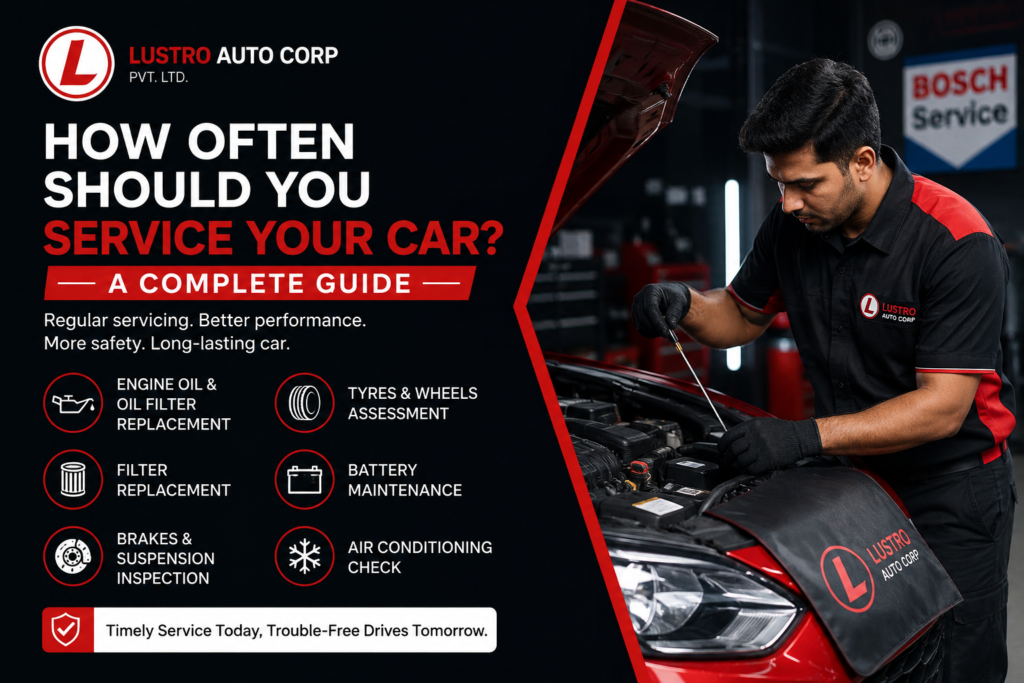
How Often Should You Service Your Car? A Complete Guide

How Often Should You Service Your Car? A Complete Guide The majority of people do not consider the maintenance of their vehicle until they hear something is amiss. Over time, the brakes may not function as they once did; the vehicle may require more fuel to run; or a strange sound may be heard under the hood. However, when the car is still operating, it’s simple to believe that all is well. Sadly, it’s not always the case. The purpose of this guide is to not only provide information on when you need to take your car for a service but also what you can expect to happen at the service and the problems that may arise if you do not regularly service your vehicle. Understanding Your Car’s Service Intervals Car service intervals are usually set by either time or how much the car has been driven, whichever happens first, following the advice from the car’s maker. The service schedule can vary depending on the type of vehicle, and it is usually based on factors like how many miles you drive, how well the vehicle is performing, and the conditions you drive in. Factors That Affect Your Car’s Service Frequency Manufacturer’s Schedule: Refer to your car’s owner’s manual to determine when maintenance is due. Driving Conditions: Heavy traffic, frequent short trips, stop-and-go driving, and long idle periods increase wear. Age & Overall Condition: Older vehicles often require more frequent inspections of brakes, suspension, timing belts, and fluids. Mileage: Engine oil, filters, brake pads, tyres, spark plugs, and other components need attention as mileage increases. What Typically Happens During a Car Service? A car service includes many things besides just changing the oil. It checks all the main parts and systems of your car to make sure they are working correctly, helping you spot problems early and keep your vehicle running smoothly. 1. Engine Oil & Oil Filter Replacement The old engine oil is drained and replaced with fresh oil, along with a new oil filter. Clean oil lubricates engine components, reduces friction, and helps extend engine life. 2. Filter Replacement Air, cabin, and fuel filters are inspected and replaced when needed. Clean filters improve engine efficiency, fuel economy, and overall vehicle performance. 3. Brakes & Suspension Inspection Brake pads, discs, fluid, and suspension components are checked for wear or damage. Maintaining these systems is essential for safe stopping and stable handling. 4. Tyres & Wheels Assessment Tyres are inspected for tread depth, pressure, uneven wear, and damage. Wheel alignment and tyre rotation may also be recommended to improve performance and extend tyre life. 5. Battery Maintenance Technicians inspect battery terminals, measure battery voltage, and test the charging system. A battery check can help prevent unexpected breakdowns before they happen. 6. Air Conditioning Check If your AC isn’t cooling properly, has unusual smells, or makes strange noises, the refrigerant level, cabin filter, and other components are inspected to restore comfort and performance. Signs That Your Car Needs Servicing You don’t always need to wait for your scheduled service date if your car starts showing warning signs. Dashboard warning lights Difficulty starting the engine Unusual engine noises Reduced fuel efficiency Poor acceleration Brake squealing or grinding Steering vibrations Car pulling to one side Unusual exhaust smoke Fluid leaks Strange smells Reduced AC performance Ignoring these symptoms can turn a small issue into a much more expensive repair. Conclusion Regular car servicing helps improve performance, maintain safety, and extend your vehicle’s lifespan. Following the manufacturer’s service schedule and carrying out routine maintenance like oil changes, tyre inspections, and brake servicing can help prevent costly repairs, protect your warranty, and improve resale value. Frequently Asked Questions What is included in a car service? A standard service usually includes engine oil replacement, filter checks, brake inspection, tyre inspection, battery testing, fluid top-ups, and other essential safety checks. What happens if I skip servicing? Skipping regular servicing can reduce performance, increase fuel consumption, lead to unexpected breakdowns, and result in expensive repairs. Do older cars need more frequent servicing? Yes. Older vehicles often require additional inspections because of natural wear and tear on components. What are the signs my car needs servicing? Warning lights, unusual noises, poor mileage, brake problems, steering vibrations, and difficulty starting are common indicators. Will regular servicing help my car’s resale value? Yes. A well-maintained service history increases buyer confidence and helps preserve your car’s resale value.

Car Maintenance Tips

Monsoon Car Care Checklist: How to Protect Your Car This Rainy Season in Bangalore

Monsoon Car Care Checklist: Get Your Car Ready for Bangalore Rains Bangalore’s monsoon brings relief from the heat, but it also puts real stress on your car. Waterlogged roads, sudden downpours, and constant humidity can quietly wear down parts you don’t think about until something goes wrong — usually at the worst possible moment. A little preparation now can save you from breakdowns, safety risks, and expensive repairs later. Here’s a practical monsoon car care checklist to help you get your car ready for the rainy season. 1. Check Your Tyres First Tyres are your car’s only contact with the road, and worn tread dramatically increases the risk of skidding on wet roads. Before the rains set in: Check tread depth — if it’s worn close to the indicator bars, it’s time to replace. Maintain correct tyre pressure (under-inflated tyres reduce grip on wet surfaces). Look for cracks or bulges on the sidewalls. 2. Test Your Wipers and Washer Fluid Poor visibility is one of the biggest causes of monsoon accidents. If your wipers leave streaks or skip patches, replace the blades — they’re inexpensive and make a big difference. Also top up washer fluid so you can quickly clear mud splashes from other vehicles. 3. Inspect Your Brakes Wet roads mean longer stopping distances. Have your brake pads, discs, and fluid levels checked before the season starts. If you’ve noticed any squeaking, grinding, or a soft brake pedal, don’t wait — get it looked at. 4. Protect the Battery and Electricals Humidity and water exposure are hard on your car’s electrical system. Corroded battery terminals or damp wiring can lead to starting issues or sudden electrical faults. A quick battery check and a look at exposed wiring connections can prevent a lot of monsoon breakdowns. 5. Check Headlights and Signal Lights With reduced visibility during heavy rain, working lights aren’t optional — they’re a safety essential. Make sure all headlights, tail lights, and indicators are functioning, and consider cleaning foggy or yellowed headlight covers for better night visibility. 6. Apply Rust Protection to the Underbody Constant exposure to water and mud can accelerate rust, especially on the underside of the car. If you’re driving through waterlogged areas regularly, an underbody wash and anti-rust coating can add years to your car’s structural health. 7. Check AC and Cabin Air Filter Humidity can lead to a musty smell inside the cabin and foggy windows, which is both uncomfortable and a visibility hazard. A clean cabin air filter and a quick AC check help keep the air inside clear and comfortable. 8. Keep an Emergency Kit Ready Even with the best prep, monsoon driving comes with unpredictability. Keep a small emergency kit in your car — a torch, a basic tool set, a phone charger, and your service centre’s contact number. Quick Pre-Monsoon Checklist Check Why It Matters Tyre tread & pressure Prevents skidding on wet roads Wiper blades & washer fluid Maintains visibility in heavy rain Brake pads & fluid Reduces stopping distance risk Battery & wiring Avoids sudden electrical failure Headlights & signals Keeps you visible to others Underbody rust protection Protects against water damage AC & cabin filter Prevents foggy windows & musty air When to Get a Professional Inspection While some of these checks can be done at home, things like brake wear, battery health, and underbody condition are best assessed by a trained technician with the right diagnostic tools. A multi-point check before monsoon sets in is one of the easiest ways to catch small issues before they turn into bigger, more expensive ones. Conclusion Monsoon driving in Bangalore doesn’t have to mean stress and surprise breakdowns. A little preparation — checking your tyres, brakes, wipers, battery, and lights — goes a long way in keeping you safe and your car running smoothly through the season. If you’re not sure where your car currently stands, a quick inspection at a trusted workshop is the easiest way to find out before the rains arrive. Frequently Asked Questions 1. How often should I service my car before monsoon? It’s a good idea to get a check-up at least a few weeks before the monsoon season begins, so there’s time to fix any issues before the rains set in. 2. Is it necessary to change tyres before monsoon? Not always — but if your tread depth is low or you notice cracks on the sidewalls, replacing them before monsoon significantly reduces your risk of skidding. 3. Why does my car smell musty during the rainy season? This is usually caused by moisture buildup in the cabin air filter or AC system. A clean or replaced cabin filter usually resolves it. 4. Can rainwater damage my car’s electrical system? Yes, especially if there’s existing wear on wiring or battery terminals. Regular checks help catch corrosion or exposed connections before they cause a breakdown. 5. What should I do if my car stalls in waterlogged roads? Don’t try to restart the engine immediately — this can cause serious damage if water has entered the engine. Get the car towed to a workshop for inspection instead.

Scroll to Top